
Many people assume faxing is an outdated way to send documents, but it continues to be one of the most trusted methods for sharing sensitive information. Businesses, hospitals, law firms, and government offices still depend on fax because it offers secure fax delivery when confidential documents need to reach the right person safely. However, not every type of fax provides the same level of protection. Traditional fax machines and modern online fax services work differently, and their security levels are very different.
Today, online fax services have changed the way people send and receive documents. Instead of relying on paper and physical fax machines, enterprise secure faxing services use secure digital technology that helps protect information from unauthorized access. By understanding how both methods work, you can make better decisions when sending important documents.
Traditional Faxing and Online Faxing: What’s the Difference?
How Traditional Fax Machines Handle Documents
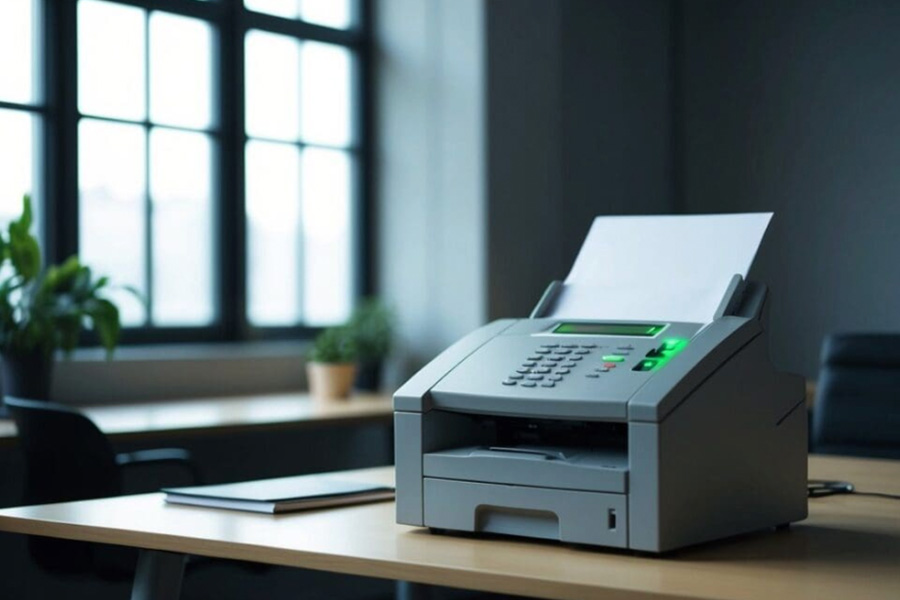
Traditional fax machines send documents through telephone lines instead of the internet. For many years, this method was considered reliable because the information traveled directly from one fax machine to another without passing through email systems.
Although the transmission itself is fairly private, the biggest problem begins once the document reaches the receiving fax machine. The paper prints immediately and often sits in an open tray where anyone nearby can see or collect it. In busy offices, this creates a risk that confidential documents could end up in the wrong hands.
Traditional fax machines also have several other weaknesses. If someone enters the wrong fax number, the document may be delivered to a stranger. Printed pages can easily be misplaced, copied, or accidentally thrown away. Since there is no way to track who actually picked up or viewed the fax, businesses have very little control after the document is printed.
These risks make traditional faxing less suitable for organizations that regularly handle private information.
Why Online Fax Services Offer Better Protection
Online fax services solve many of the problems found with traditional fax machines. Instead of printing documents automatically, online faxing converts each fax into a secure digital file. Only authorized users can access these files through protected accounts.
Because the entire process happens digitally, businesses no longer have to worry about confidential papers sitting on a shared office fax machine.
Encryption Keeps Your Information Safe
One of the biggest security features of online faxing is encryption.
Encryption changes your document into unreadable data while it travels across the internet. If someone tried to intercept the information, they would only see scrambled data that cannot be understood without the correct security key.
Most trusted online fax providers also encrypt documents while they are stored on their servers. This means your information remains protected before, during, and after the fax is delivered.
Password-Protected Accounts Improve Privacy
Online fax services require users to sign into their accounts before they can send, receive, or view documents.
Unlike a traditional fax machine that anyone can walk up to, online faxing limits access to approved users only. This greatly reduces the chances of confidential information being viewed by someone who should not have access.
Many providers also support two-step verification, adding another layer of protection for user accounts.
Secure Cloud Storage Protects Important Documents
Instead of storing paper copies in filing cabinets, online fax services safely store documents in secure cloud servers.
These servers use advanced security systems, regular backups, and monitoring to help prevent data loss or unauthorized access.
Users can search for old faxes, download documents when needed, and organize files without worrying about lost paperwork.
Digital Activity Records Improve Accountability
Online fax services automatically record every action taken within the system.
These records include when the fax was sent, when it was delivered, who accessed the document, and whether the transmission was successful.
This information creates a reliable history of every fax, making it easier for businesses to manage important records and demonstrate that documents were handled properly.
Traditional Faxing Versus Online Faxing
When comparing both methods, the differences become clear.
Traditional fax machines rely on paper documents, shared office equipment, and manual handling. Once a document prints, there is very little control over who can see or remove it.
Online fax services use encrypted connections, password-protected accounts, secure storage, and digital tracking. These features provide much stronger protection while making document management easier and more organized.
For organizations that regularly send confidential information, online faxing offers a safer and more efficient solution.
Best Practices for Sending Secure Faxes
Why Faxing Continues to Be Important
Despite the growth of email and cloud sharing, faxing remains widely used in industries where privacy is essential.
Healthcare providers send patient records.
Law firms exchange legal agreements.
Banks transfer financial documents.
Government agencies process official paperwork.
These organizations continue to use fax because it provides dependable document delivery while helping protect sensitive information.
Modern online fax services make this process even more secure by combining traditional fax reliability with today’s digital security technology.
How Online Faxing Supports Privacy Requirements
Many industries must follow strict rules when handling customer or patient information.
Online fax providers include features that help organizations meet these requirements.
These features often include encrypted document transfers, password-protected accounts, secure cloud storage, user permission controls, detailed activity logs, and delivery confirmations.
Together, these tools make it much easier for businesses to protect confidential information and demonstrate responsible document handling.
Simple Ways to Improve Fax Security
Even the safest online fax service depends on users following good security habits.
Double-Check the Recipient’s Fax Number
Always confirm that the fax number is correct before sending your document.
A simple typing mistake can send confidential information to the wrong person.
Taking a few extra moments to verify the number can prevent serious privacy problems.
Include a Cover Sheet
A fax cover sheet helps identify both the sender and the recipient while letting others know that the information is confidential.
It should include the sender’s name, recipient’s name, company information, contact details, and a short confidentiality notice.
This extra page adds another level of privacy, especially if the document is accidentally received by the wrong office.
Verify Delivery
After sending your fax, review the delivery confirmation.
Online fax services usually provide automatic notifications showing whether the document reached its destination successfully.
Keeping these records can also be useful for business documentation and future reference.
Protect Your Login Information
Since online fax services store important documents, your account should always be protected with a strong password.
Whenever possible, enable two-step verification for additional security.
Keeping your account secure helps protect every document stored within the system.
Choosing a Reliable Online Fax Service
Not every online fax provider offers the same level of security.
Before choosing a service, make sure it provides strong encryption, secure cloud storage, password-protected accounts, user access controls, delivery confirmations, detailed activity records, regular system backups, and support for privacy requirements if your industry requires it.
Selecting a trusted provider gives you greater confidence that your confidential information will remain protected throughout the entire fax process.
Final Thoughts
Faxing continues to be one of the safest ways to send sensitive documents when modern online fax services are used. While traditional fax machines still have several weaknesses, online faxing offers stronger protection through encryption, secure user accounts, cloud storage, and complete digital records.
Whether you work in healthcare, legal services, finance, education, or another industry that handles confidential information, online faxing provides a dependable and secure solution. By choosing a trusted provider and following good security practices, you can safely send important documents while reducing the risk of unauthorized access or data loss.